

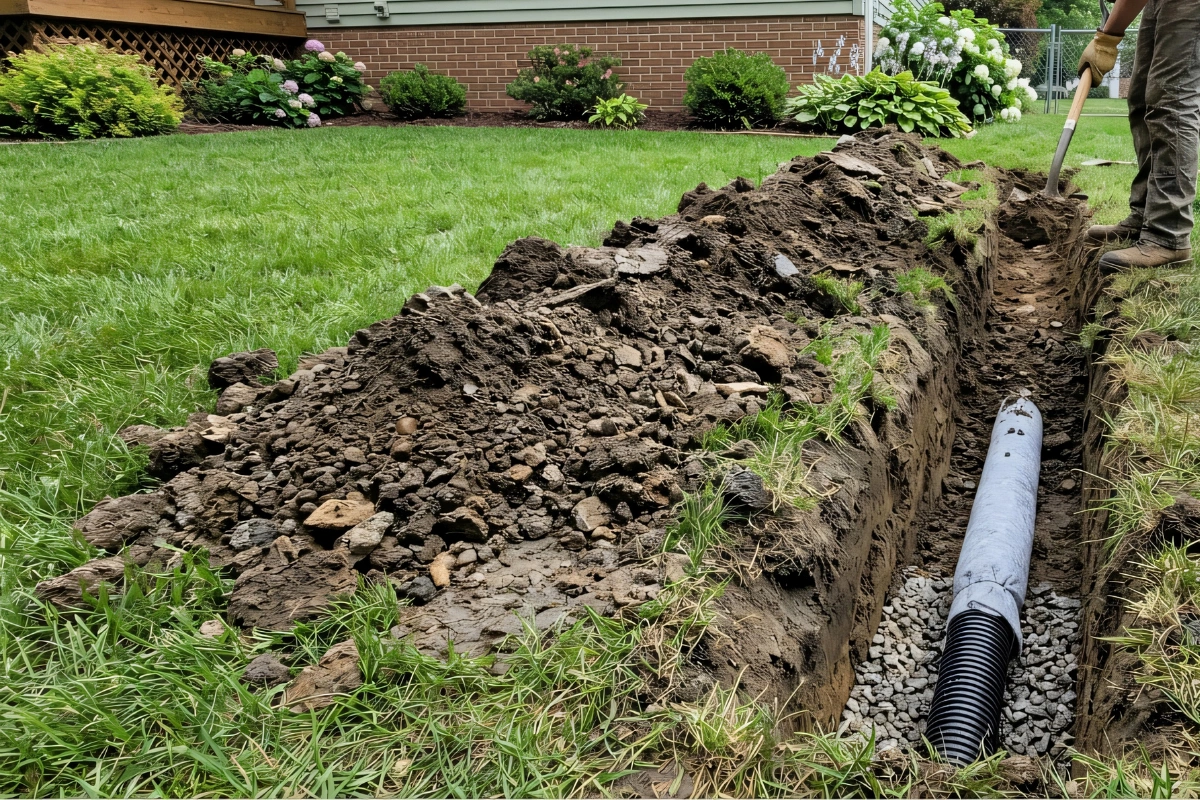
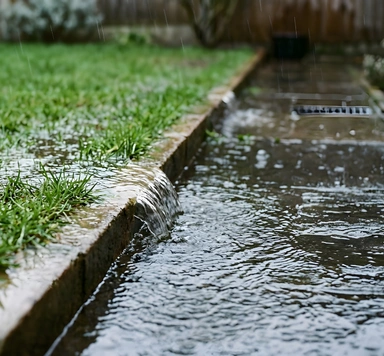
Yard drainage problems often appear as puddles, soggy lawn areas, soil erosion, or runoff moving toward the home after rain. Contractors represented by Drainage Pro LA evaluate how water enters and moves across Los Angeles properties before determining the drainage improvements suited to the site.
The right solution depends on the cause. Poor grading, low spots, roof runoff, hardscape drainage, and water arriving from higher ground can create different problems, which is why effective yard drainage may involve one method or a combination of drainage measures.
Signs of Poor Yard Drainage
Water that remains long after rainfall or repeatedly follows the same unwanted path can indicate that the yard is not moving runoff effectively.
Drainage problems may include:
- Standing water across lawn or planting areas
- Soggy soil that stays wet after rainfall
- Runoff moving toward foundations or structures
- Soil washout, erosion, or damaged landscaping
Finding the Source of Water
Yard drainage starts with identifying where excess water originates and why it remains on the property. Two common causes are improper surface grade and concentrated runoff from roofs or paved areas.
Low Spots & Grading
Uneven or inadequate slope can trap rainwater in lawns or direct runoff toward areas that should remain dry.
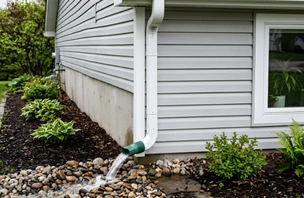
Concentrated Runoff
Downspouts, patios, driveways, and slopes can send large amounts of runoff into one section of the yard.
Planning Your Yard Drainage
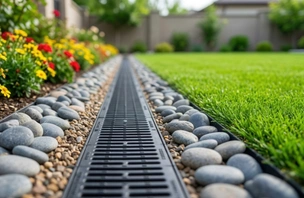
A drainage plan should respond to how water actually behaves on the property. Depending on site conditions, the solution may use grading, catch basins, French drains, channel drains, solid drainage pipe, or a combination of systems.
Trace the Runoff
Slopes, low areas, roof discharge, and runoff paths are identified across the property.
Choose the Drainage Method
The drainage method is selected according to the source, location, and movement of excess water.
Control the Runoff
The planned system collects, redirects, or improves the movement of water through problem areas.
Yard Drainage FAQs
Recurring pooling can result from low spots, poor grading, compacted or slow-draining soil, concentrated roof runoff, or water flowing in from higher areas. Identifying the source is necessary before choosing a drainage solution.
There is no single system that works for every yard. French drains can address certain subsurface water conditions, catch basins collect concentrated surface runoff, and grading can improve how water moves across the property. Some yards require multiple methods.
Drainage improvements can help redirect surface water that is moving toward or collecting near a structure. The appropriate solution depends on grading, runoff sources, soil conditions, and the specific cause of moisture near the foundation.
Yes. Roof runoff concentrated through downspouts can saturate landscaping, create erosion, or contribute to pooling when it discharges into a poorly drained area. Extending or integrating downspout drainage may be part of the solution.
Grading is useful when the surface slope itself is directing water incorrectly or creating low spots. A drainage system may be more appropriate when runoff needs to be collected and carried through the property. In some cases, correcting both grade and drainage provides the practical solution.